Jakarta, CNBC Indonesia – The Koran is the holy book for Muslims. In the Koran there are many life guidelines that provide guidance for humans in living their lives in the world.
Apart from discussing the issue of faith in Allah, the Qur’an also provides instructions regarding the food that humans can eat. Not only is it good to consume, food in the form of fruit is also able to relieve diseases such as high cholesterol.
So, what fruits can lower cholesterol according to the Koran? the following is the explanation:
1. Figs
|
Photo: Auguste A via Unsplash
Figs, one of the fruits mentioned in the Koran. |
Figs or figs are one of the fruits most often mentioned in the Koran. In fact, the Qur’an has Surah At-Tin which means figs.
References to figs in verses of the Qur’an speak of the medicinal benefits of the fruit. In Islamic tradition, whatever name is used to swear an oath by Allah SWT has inherent majesty or importance.
Figs are known to contain pectin, a soluble fiber that helps lower cholesterol levels. Soluble fiber is considered capable of eliminating excess triglyceride levels and helping eliminate triglycerides.
In addition, dried figs contain Omega 3 and Omega 6 fatty acids, phytosterols which are cardioprotective and help improve brain health.
Figs or figs in English also contain magnesium or a mineral in the body which plays an important role in bone health and energy balance.
2. Olives
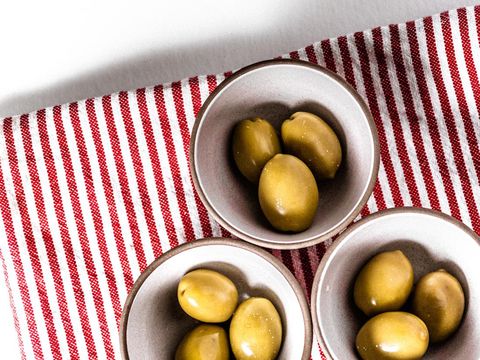 Photo: Kier in Sight via Unsplash Photo: Kier in Sight via UnsplashOlives or olives |
Apart from figs, olives are also the fruit most often mentioned in the Koran, namely seven times. This proves how big and important figs are in the history of the development of Islam.
Apart from having nutritional as well as medicinal and cosmetic value, olives also fulfill a religious function as a sign of the greatness of Allah SWT.
In Surah Al Mu’minun verse 20, the Koran mentions fruits that must be eaten and talks about the olive tree that grows on Mount Sinai which provides oil and spices for eating.
Olives also have essential fatty acids which are good for heart and brain function, as well as polyphenols which have antioxidant properties. In fact, many people choose oil from olives as a healthier oil choice than palm oil.
Olive oil contains high levels of monounsaturated fatty acids, around 75%. When replacing saturated fat, monounsaturated fat from olives helps lower bad cholesterol. The health benefits of olive oil are also attributed to its antioxidant and anti-inflammatory properties.
[Gambas:Video CNBC]
Next Article
2 Fruits Called the Koran, Benefits Can Lower Cholesterol
(hsy/hsy)
Originally posted 2023-10-30 00:20:28.